Proudly sponsored by Hilo Home Inspection LLC — safeguarding Big Island homes with Aloha.

When SPAM Reaches $4 a Can, It Stops Making Sense
When SPAM reaches $4 a can, it forces a serious rethink. This article explains why protein from ultra-processed food is not the same as real meat, how price inflation breaks the original purpose of SPAM, and why fresh food now delivers better value for Hawaiʻi families.
HEALTH
Community Food Awareness
12/29/20252 min read
SPAM has a long history in Hawaiʻi.
It arrived during hard times, wartime shortages, and shipping delays. It became part of island kitchens not because it was ideal — but because it was cheap, available, and filling.
That context matters.
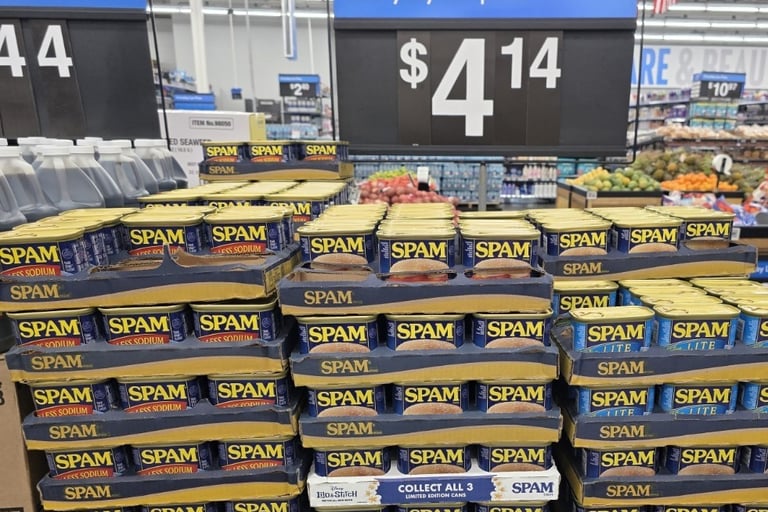
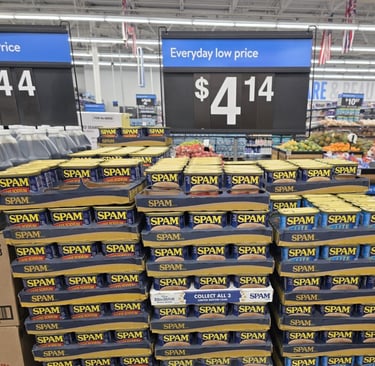
But when SPAM reaches $4+ per can, something fundamental changes.
Not All Protein Is the Same
Yes, SPAM contains protein.
But protein quality matters as much as protein quantity.
SPAM protein:
Comes from heavily processed pork
Is altered by high heat, preservatives, and additives
Is packaged with extremely high sodium
Lacks the full nutritional profile of fresh meat
Fresh meat protein:
Is biologically complete and intact
Contains natural amino acids in usable form
Comes with iron, zinc, B vitamins, and healthy fats
Does not require chemical preservation
Two foods can list “protein” on the label — yet behave very differently inside the human body.
What You’re Really Buying With SPAM
At today’s prices, you are no longer paying for value.
You are paying for:
Shelf stability
Brand recognition
Processing and packaging
Long-distance logistics
You are not paying for superior nutrition.
When SPAM was inexpensive, people accepted the tradeoff.
At $4+ per can, that tradeoff becomes irrational.
The Protein-per-Dollar Problem
A single can of SPAM:
Contains less usable protein than a comparable amount of fresh meat
Delivers far more sodium than the body needs
Provides fewer micronutrients per dollar
Meanwhile, for similar money — especially when shopping smart — families can buy:
Chicken legs, thighs, or whole chickens
Ground meat on sale
Eggs, which remain one of the most efficient protein sources
Locally caught fish when available
Even in Hawaiʻi, where food costs are high, real protein still competes when processed food prices rise this far.
Processed Food Was Never Meant to Be Premium
SPAM was designed as:
Emergency food
Storage food
Low-cost protein
It was never meant to compete with real meat at real-meat prices.
When survival food becomes premium-priced, it becomes a waste of money — not because it’s evil, but because its original purpose is gone.
The Hidden Cost Is Health
High-sodium, ultra-processed meats are linked to:
High blood pressure
Inflammation
Heart disease
Long-term health decline — especially among kūpuna
When families are already stressed by housing costs, energy bills, and medical expenses, paying premium prices for food that weakens health makes no sense.
This Is About Awareness, Not Habit
This isn’t about blaming culture.
This isn’t about attacking tradition.
It’s about recognizing when the economics no longer work.
If SPAM costs the same as real food, then real food wins.
A Quiet Opportunity for Hawaiʻi
When processed food becomes expensive, something powerful happens:
People reconsider habits
Local food becomes competitive again
Money can stay closer to home
Health improves naturally
Rising prices unintentionally expose the truth:
Processed food was only attractive when it was cheap.
Final Thought
SPAM helped people survive the past.
It does not need to define the future.
At $4+ per can:
It is no longer a smart protein choice
It delivers less nutrition per dollar
And it becomes, simply, a waste of money
Fresh food isn’t a luxury anymore.
Processed food is.
🌱
Ohana Big Island
For strong families. For a healthier future.
Disclaimer ::: This article is published for educational and informational purposes only. Prices mentioned reflect general retail observations and may vary by store, location, brand, and time. Ohana Big Island does not provide medical, nutritional, or financial advice. Readers are encouraged to make food and health choices based on personal needs, budgets, and guidance from qualified professionals. References to specific products or brands are for public awareness and discussion only and do not constitute endorsement or disparagement.
Photo taken in a Hawaiʻi retail store for news and public awareness purposes.
Connect
Where island hearts connect and grow.
Contact
ohanabigisland808@gmail.com
Hawaii Web Pro LLC © 2025. All rights reserved.
RISK WARNING & NOTICE ::: All content shared on Ohana Big Island is for educational and informational purposes only. It is not professional, legal, medical, agricultural, or technical advice. Always seek guidance from a qualified and certified professional before making decisions or taking action based on any information found on this website or its related platforms. Your safety, property, and well-being deserve verified expertise.